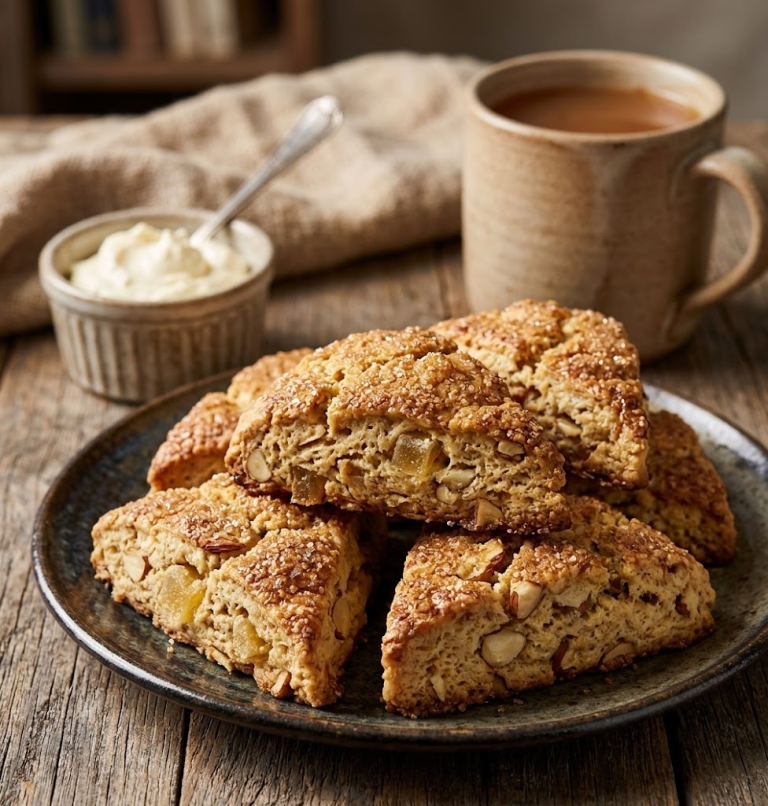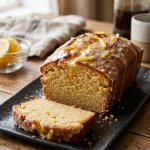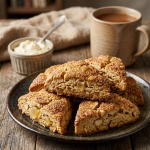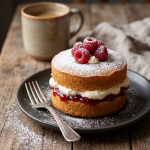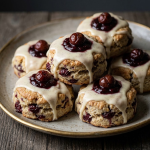

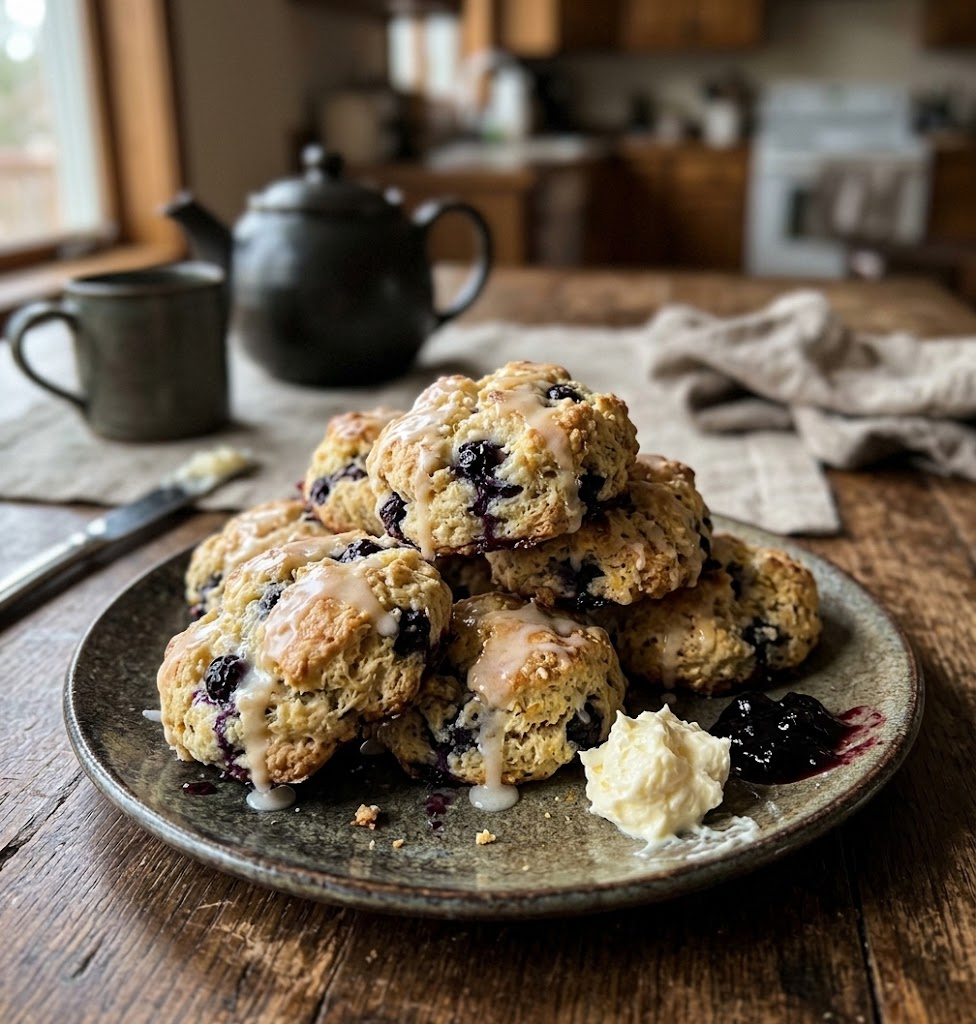
These Mary Berry-inspired buttermilk scones are the kind you want for a proper cup of tea: tall, tender, and lightly crumbly with a gentle buttery flavour. Buttermilk gives them a soft, fluffy interior and a subtle tang that tastes wonderful with jam and clotted cream. The method is straightforward and beginner-friendly, with no special equipment needed. From start to finish, you’re looking at about 30 minutes.
Ingredients
For the buttermilk scones
- 350g self-raising flour, plus extra for dusting
- 1 tsp baking powder
- 1/4 tsp fine salt
- 85g unsalted butter, cold and cubed
- 40g caster sugar (about 3 tbsp)
- 250ml buttermilk, plus 1 to 2 tbsp extra for brushing
Optional add-ins
- 100g sultanas or raisins
- 1 tsp finely grated lemon zest
To serve
- Strawberry jam or raspberry jam
- Clotted cream (or softly whipped double cream)
How to Make Mary Berry Buttermilk Scones
- Prepare the oven: Preheat the oven to 220°C or 200°C fan. Line a baking tray with baking parchment and set it on the middle shelf so the scones rise evenly and colour nicely.
- Mix the dry ingredients: In a large bowl, whisk together the self-raising flour, baking powder, and salt. This quick mix helps the raising agents distribute properly so you get a consistent rise.
- Rub in the butter: Add the cold cubed butter and rub it into the flour using your fingertips until the mixture looks like fine breadcrumbs. Work lightly and quickly so the butter stays cool.
- Add sugar (and fruit if using): Stir in the caster sugar. If you’re making fruit scones, add the sultanas now (and lemon zest, if using) and toss to coat them in the flour mixture.
- Bring the dough together: Make a well in the centre and pour in most of the buttermilk, reserving a small splash. Mix with a knife or fork, then use your hands to bring it together into a soft dough. If it looks dry, add a little more buttermilk, a teaspoon at a time. The dough should be soft and slightly sticky, not firm.
- Shape gently: Tip the dough onto a lightly floured surface. Fold it over itself once or twice to smooth it out, then pat (do not roll) to about 2.5cm thick. Light handling is what keeps scones tender.
- Cut the scones: Using a 5cm round cutter, cut straight down without twisting, then lift away. Place the rounds onto the lined tray with a little space between them. Gather scraps gently, pat back down, and cut a few more.
- Brush and bake: Brush the tops lightly with a little buttermilk. Bake for 10 to 12 minutes, until well risen and golden on top. Try not to open the oven door in the first 8 minutes.
- Cool properly: Lift the scones onto a wire rack and cool for 10 minutes. They’re best served warm, but letting them settle briefly improves the texture inside.
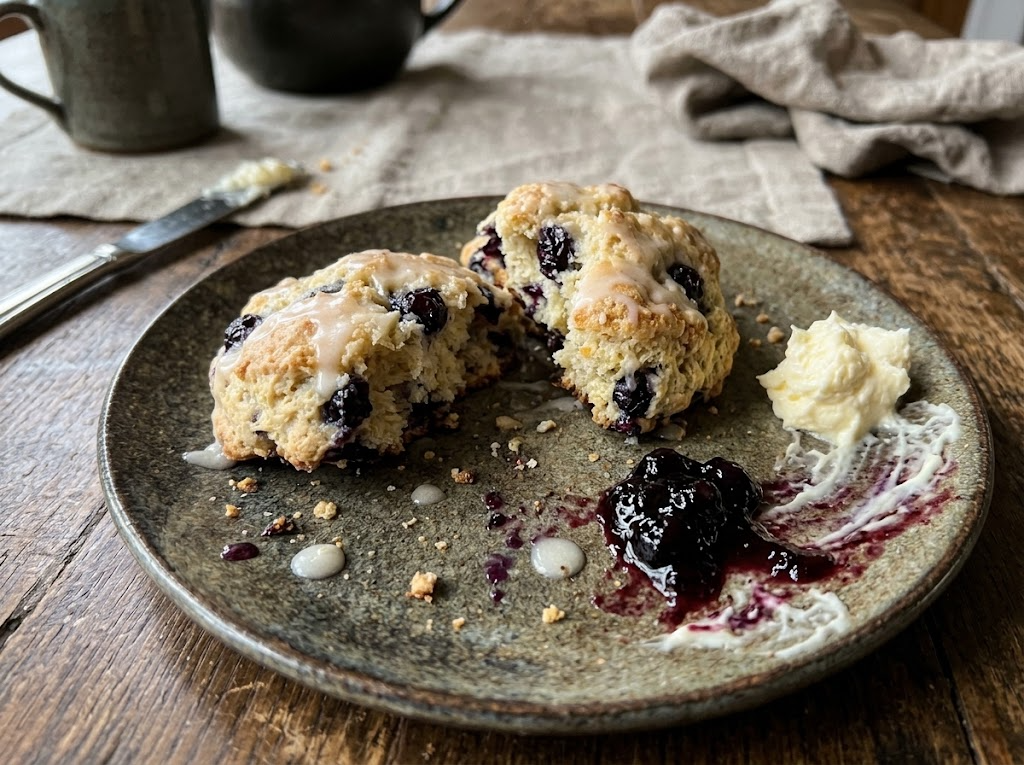
- Assemble and serve: Split each scone with a serrated knife and serve with jam and clotted cream. For a classic cream tea, add jam first, then cream (or do it the Cornish way with cream first if that’s your preference).
Tips for Perfect Scones
Why didn’t my scones rise?
The most common causes are overworking the dough, twisting the cutter, or an oven that is not hot enough. Handle the dough lightly, cut straight down, and make sure your oven is fully preheated to 220°C (200°C fan).
How do I keep scones soft and tender, not tough?
Once the buttermilk goes in, mix only until the dough comes together. Pat the dough out instead of rolling it hard, and avoid adding lots of extra flour, which can dry the dough.
Why are my scones dry or crumbly?
Too much flour or not enough buttermilk is usually the culprit. If your kitchen is warm or your flour is particularly thirsty, you may need an extra tablespoon of buttermilk. The dough should feel soft and slightly tacky.
How do I get an even golden top?
Brush lightly with buttermilk and keep the wash on the tops only. If it drips down the sides, it can interfere with the rise and create pale “glued” edges.
Serving Suggestions
- Classic cream tea with strawberry jam and clotted cream
- Serve warm with salted butter and honey
- Add fresh berries on the side for a simple brunch plate
- Pair with strong black tea, Earl Grey, or a milky latte
Storage
Room temperature
Keep scones in an airtight container for up to 2 days. For the best texture, warm them briefly before serving.
Refrigerator
I generally avoid refrigerating scones because it can dry them out faster, but if you’ve added a perishable filling, store them covered for up to 2 days and bring to room temperature before eating.
Freezing
Freeze completely cooled scones in a freezer bag or airtight container for up to 3 months. Defrost at room temperature, then warm in a 160°C oven for 5 to 8 minutes to refresh.
Nutrition
- Calories: 230 kcal
- Carbohydrates: 36 g
- Protein: 5 g
- Fat: 8 g
- Saturated Fat: 5 g
- Sodium: 220 mg
Disclaimer: Nutrition values are estimates and will vary depending on exact ingredients and portion size.
FAQs
Can I make these scones without buttermilk?
Yes. If you don’t have buttermilk, stir 1 tbsp lemon juice or white vinegar into 250ml milk and let it stand for 5 minutes, then use as directed. The flavour will be slightly less rich than true buttermilk, but the texture is still lovely.
Why do you say not to twist the cutter?
Twisting seals the edges of the dough, which can stop the scones rising straight and tall. Press straight down, then lift straight up for the best rise.
Can I make the dough ahead of time?
Scones are at their best baked straight away, but you can cut them out and chill them on the tray for up to 2 hours. Bake from cold, adding 1 to 2 minutes if needed.
How do I reheat scones without drying them out?
Warm them in a 160°C oven for 5 to 8 minutes. If they’re a day old, you can lightly cover them with foil for the first few minutes to keep the centres soft.
Can I add cheese or herbs to this recipe?
Yes. For savoury scones, reduce the sugar to 1 tsp, add 100g grated mature cheddar, and optionally add 1 tsp mustard powder or chopped chives. Keep the buttermilk amount the same, adding a splash more only if the dough feels dry.
“`
Mary Berry Buttermilk Scones Recipe
Course: Afternoon TeaCuisine: BritishDifficulty: Easy10
scones15
minutes12
minutes30
minutes230
kcal27
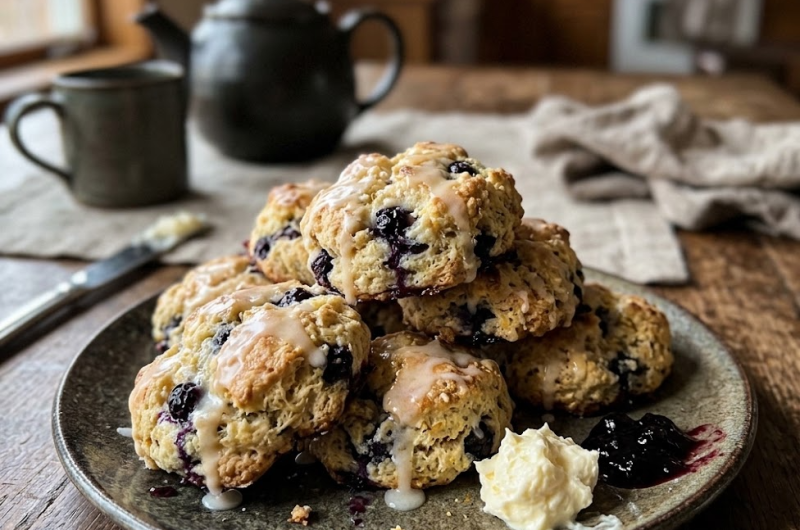
minutesTender, tall buttermilk scones with a lightly crumbly texture and classic British flavour. Quick to make, easy to bake, and perfect with jam and clotted cream.
Ingredients
350g self-raising flour, plus extra for dusting
1 tsp baking powder
1/4 tsp fine salt
85g unsalted butter, cold and cubed
40g caster sugar (about 3 tbsp)
250ml buttermilk, plus extra for brushing
100g sultanas or raisins (optional)
Strawberry jam, to serve
Clotted cream, to serve
Directions
- Preheat the oven to 220°C (200°C fan) and line a baking tray with parchment.
- Mix the flour, baking powder and salt in a bowl, then rub in the cold butter until the mixture resembles fine crumbs.
- Stir in the sugar (and sultanas, if using). Pour in most of the buttermilk and mix to a soft, slightly sticky dough.
- Turn out onto a floured surface, gently bring together, and pat to about 2.5cm thick. Cut into rounds and place on the tray.
- Brush the tops with a little buttermilk and bake for 10–12 minutes until well risen and golden.
- Cool on a wire rack for 10 minutes, then split and serve with jam and clotted cream.
Notes
- Handle the dough as lightly as possible for tender scones.
- For the best rise, cut straight down with the cutter (do not twist).
- Scones are best eaten warm the day they are baked.