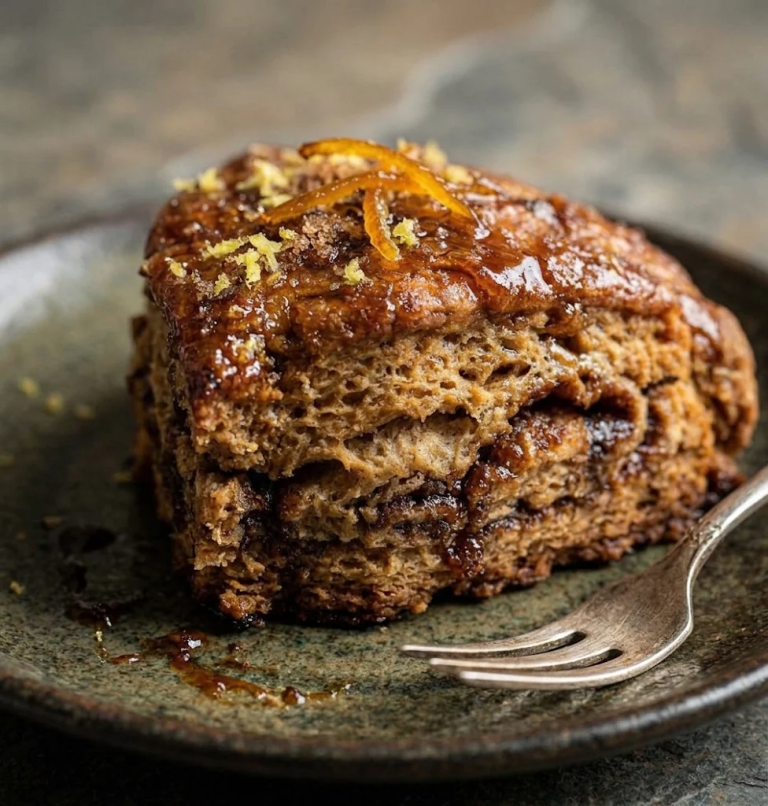

These wholemeal scones have a gently nutty flavour, golden tops, and soft, tender centres. Inspired by traditional British baking, they are simple enough for beginners and lovely served warm with butter or jam. Allow about 35 minutes from start to finish, including a short cooling time.
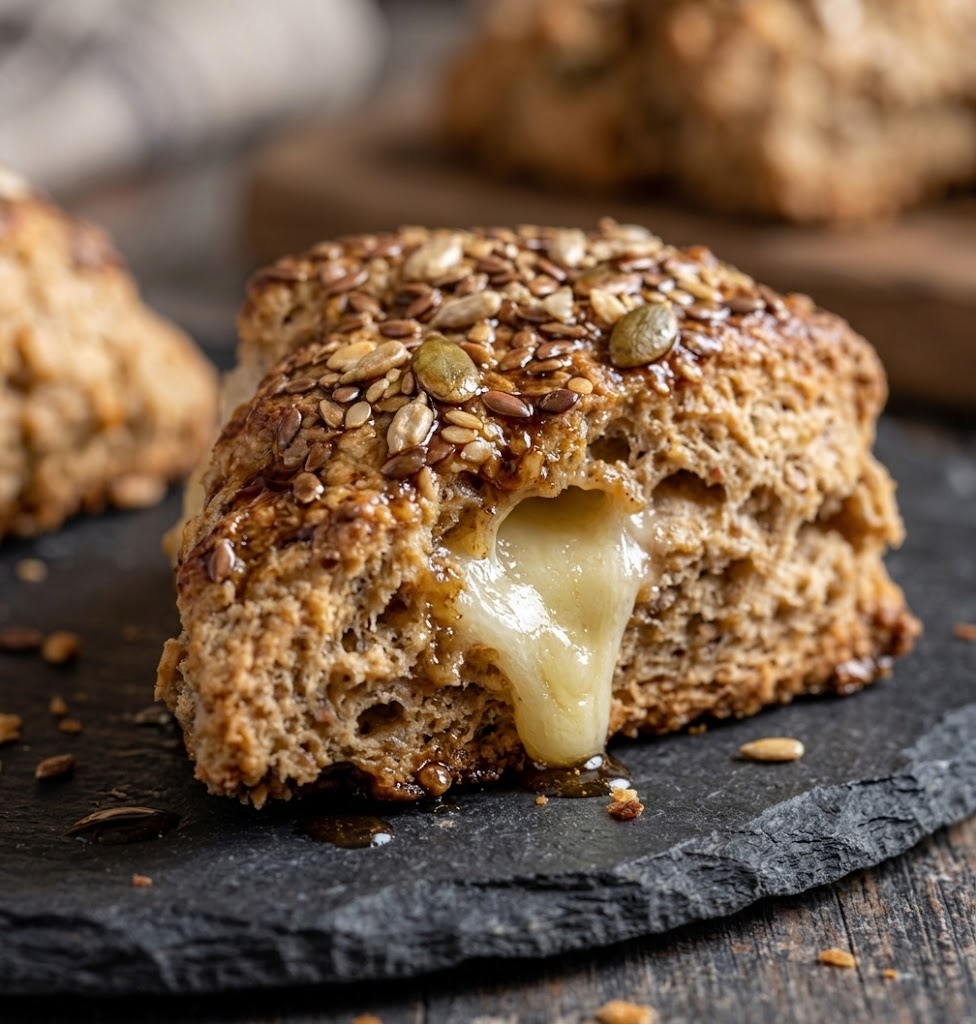
Ingredients
For the scones
- 350g wholemeal plain flour, plus a little extra for dusting
- 4 teaspoons baking powder
- ¼ teaspoon fine salt
- 60g cold unsalted butter, cut into small cubes
- 30g caster sugar
- About 200ml milk, plus extra if needed
For the topping
- 1 tablespoon milk, for brushing
How to Make Wholemeal Scones
- Prepare the oven: Preheat the oven to 220°C or 200°C fan. Line a baking tray with baking parchment and place a shelf in the middle of the oven.
- Combine the dry ingredients: Put the wholemeal flour, baking powder and salt in a large bowl. Stir well to distribute the baking powder evenly.
- Rub in the butter: Add the cold butter and rub it into the flour with your fingertips until the mixture resembles coarse breadcrumbs. Stir in the caster sugar.
- Make the dough: Pour in most of the milk and mix gently with a table knife. Add the remaining milk a little at a time until you have a soft dough. Wholemeal flour can absorb different amounts of liquid, so add a splash more if the mixture is dry.
- Shape and cut: Turn the dough onto a lightly floured surface and bring it together gently. Pat it to about 2.5cm thick. Cut out rounds with a 5cm cutter, pressing straight down without twisting. Gently bring the scraps together and cut out more scones.
- Brush and bake: Arrange the scones on the prepared tray, leaving a little space between them. Brush the tops with milk, taking care not to let it drip down the sides. Bake for 12 to 15 minutes, until risen and golden.
- Cool and serve: Transfer the scones to a wire rack and leave for at least 5 minutes. Split them while still warm, then add butter, jam or your favourite toppings.
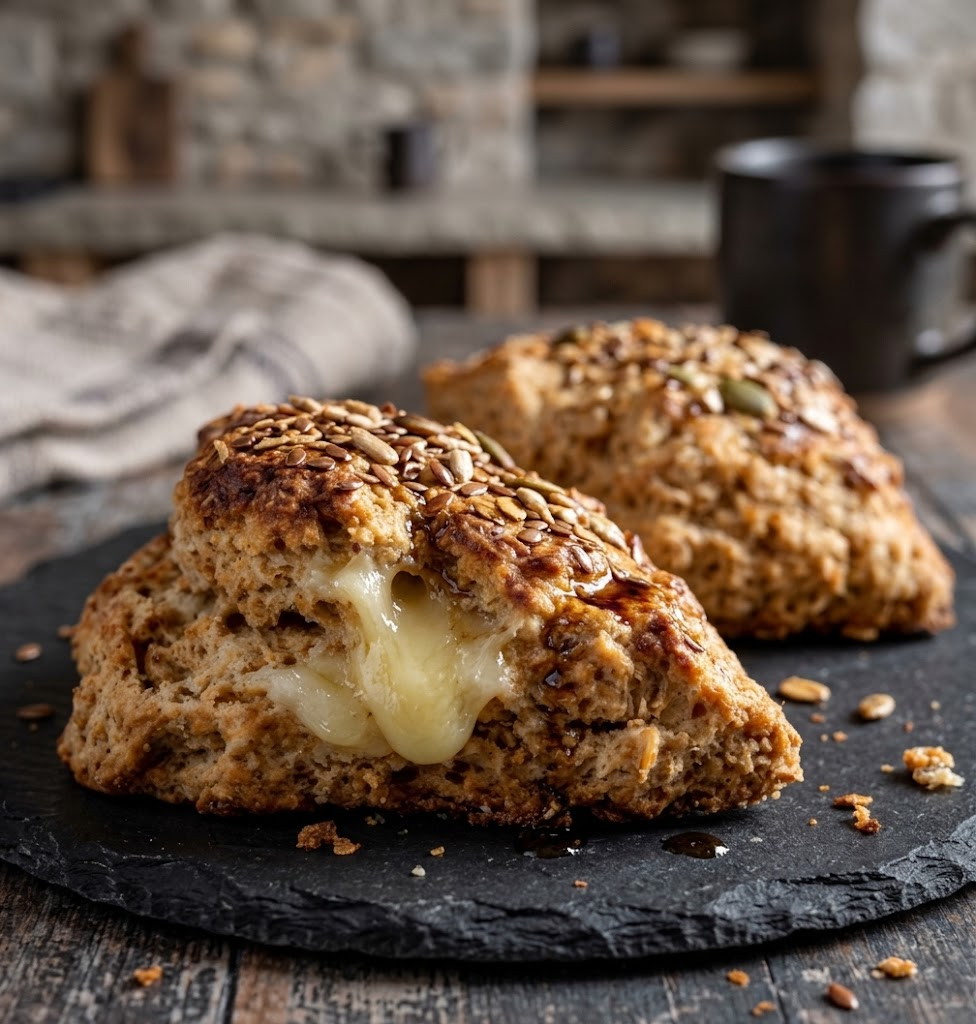
Tips for Perfect Wholemeal Scones
Why are my wholemeal scones dry?
Wholemeal flour absorbs plenty of liquid, so the dough should feel soft rather than stiff. Add an extra splash of milk if it looks crumbly, and check the scones at the lower end of the baking time.
How can I make the scones rise evenly?
Use fresh baking powder and mix it thoroughly into the flour. Cut straight down without twisting the cutter, and brush only the tops with milk so the sides can rise freely.
How do I keep the texture tender?
Keep the butter cold and handle the dough as little as possible. Pat it into shape rather than kneading it, and gather the scraps gently when cutting the final scones.
Serving Suggestions
- Serve warm with salted butter and a drizzle of honey.
- Add strawberry jam and clotted cream for an afternoon tea.
- Pair with a pot of tea and fresh berries.
- Enjoy with soft cheese and a spoonful of fruit chutney.
Storage and Reheating
Room temperature
Once completely cool, keep the unfilled scones in an airtight container for up to 2 days. Refresh them in a preheated oven at 160°C or 140°C fan for 5 to 8 minutes.
Refrigerator
Refrigeration can dry out plain scones, so room-temperature storage is preferable. If filled with cream, refrigerate in a covered container and enjoy within 1 day.
Freezing
Freeze completely cooled, unfilled scones in an airtight freezer bag for up to 3 months. Defrost at room temperature, then warm in the oven at 160°C or 140°C fan for 5 to 8 minutes.
Nutrition
Per scone, based on 10 scones without toppings:
- Calories: 190 kcal
- Carbohydrates: 29g
- Protein: 5g
- Fat: 6g
- Saturated fat: 4g
- Sodium: 220mg
Nutrition values are estimates and will vary with ingredient brands, portion size and toppings.
Frequently Asked Questions
Can I use wholemeal self-raising flour?
Yes. Use the same weight of wholemeal self-raising flour and omit the baking powder. Check the dough as you add the milk, as absorbency can vary.
Can I make wholemeal scones without sugar?
Yes. Omit the sugar for a less sweet scone that pairs well with cheese or butter. The texture may be slightly different.
Why did my scones not rise?
Old baking powder, overworked dough or twisting the cutter can affect the rise. Use fresh baking powder, handle the dough gently and cut straight down.
Can I add dried fruit to these scones?
Yes. Stir up to 75g of sultanas or raisins into the dry mixture before adding the milk. Add a little extra milk if the dough feels dry.
Can I make the dough ahead of time?
For the best rise, bake the scones soon after mixing. You can instead bake them ahead and freeze them once cooled.
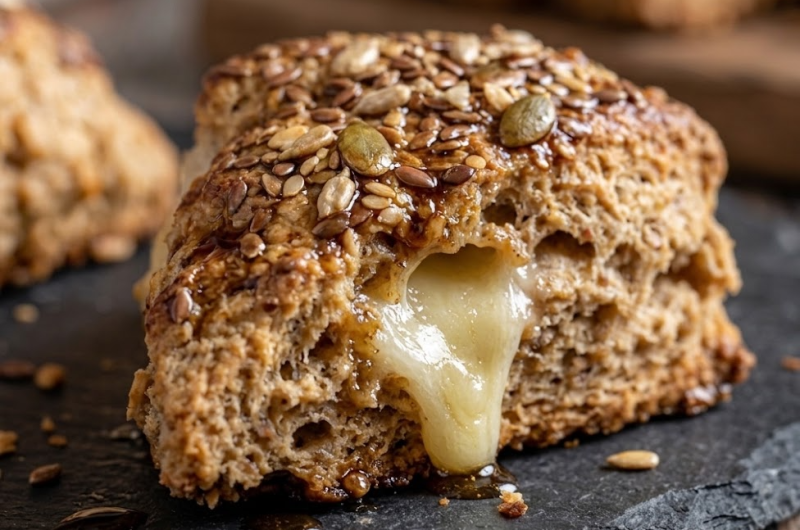
Wholemeal Scones
Course: Afternoon TeaCuisine: BritishDifficulty: Easy4
servings30
minutes40
minutes300
kcal1
hour10
minutesTender, nutty wholemeal scones inspired by traditional British baking, ready to enjoy warm with butter or jam.
Ingredients
350g wholemeal plain flour, plus extra for dusting
4 teaspoons baking powder
¼ teaspoon fine salt
60g cold unsalted butter, cubed
30g caster sugar
About 200ml milk, plus extra if needed
1 tablespoon milk, for brushing
Directions
- Preheat the oven to 220°C or 200°C fan. Line a baking tray with baking parchment.
- Stir the flour, baking powder and salt together in a large bowl.
- Rub in the cold butter until the mixture resembles coarse breadcrumbs, then stir in the sugar.
- Mix in the milk gradually to make a soft dough, adding a little extra if needed.
- Pat the dough to 2.5cm thick on a lightly floured surface. Cut with a 5cm cutter and gently reshape the scraps.
- Place on the tray, brush the tops with milk and bake for 12 to 15 minutes until risen and golden.
- Cool on a wire rack for at least 5 minutes. Split and serve with your chosen toppings.
Notes
- Handle the dough gently for tender scones.
- The total time includes 5 minutes of cooling.
- Freeze cooled, unfilled scones for up to 3 months.