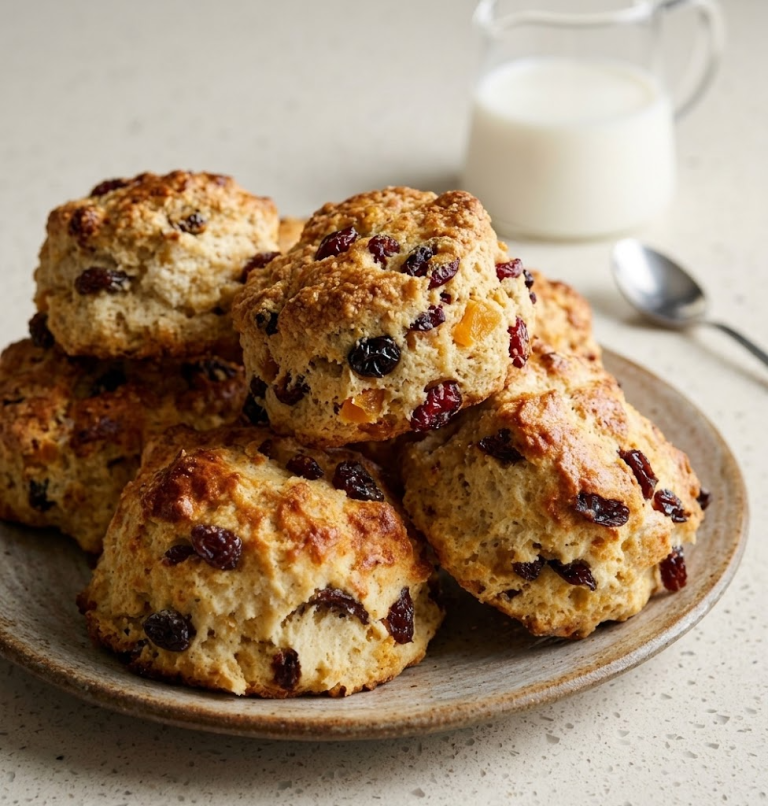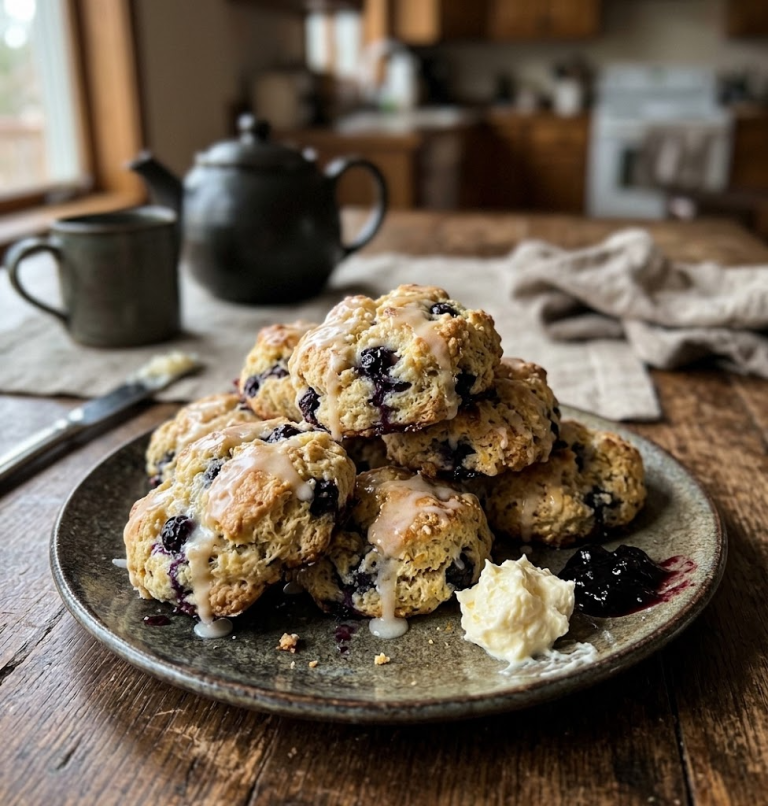

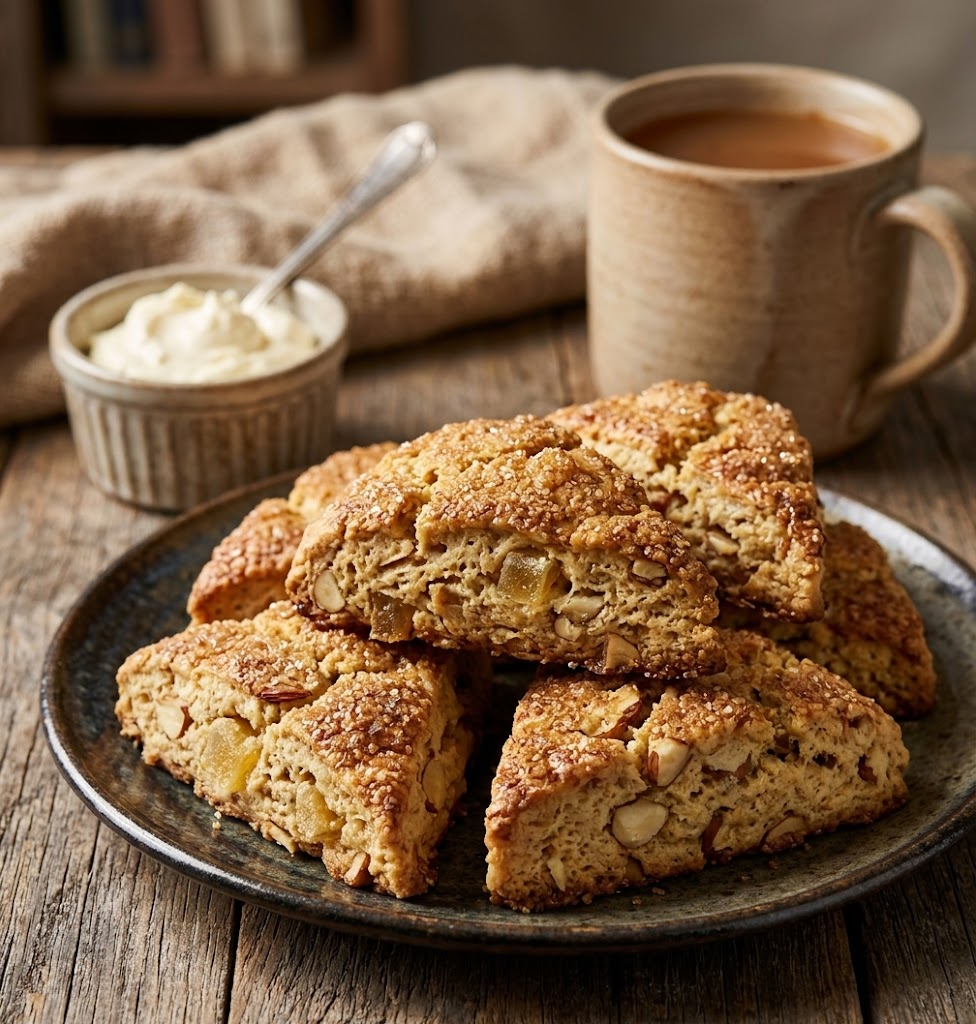
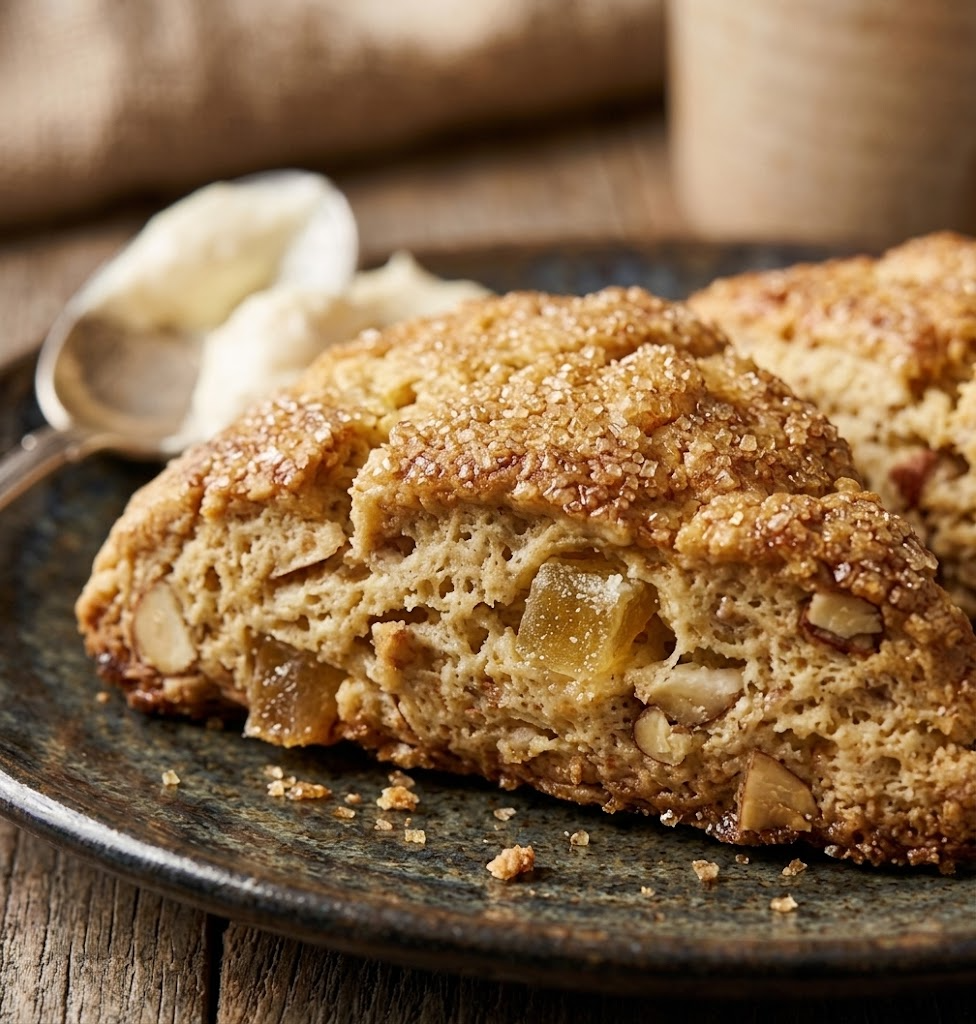
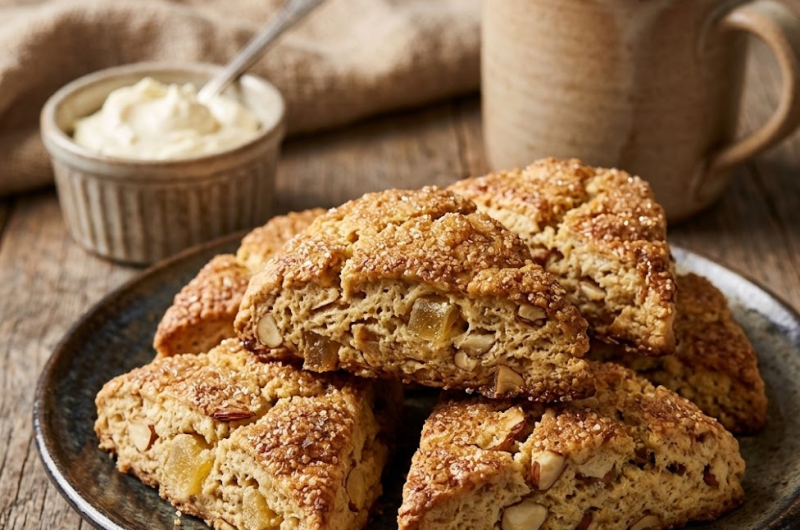
These Mary Berry-inspired plain scones are golden on top, soft in the middle, and lightly sweet with a lovely buttery flavour. They are easy enough for a beginner to make and need only a few everyday ingredients. Serve them warm with jam and clotted cream for a traditional afternoon treat. From start to finish, they take about 30 minutes.
Ingredients
For the Scones
- 450 g self-raising flour, plus extra for dusting
- 2 teaspoons baking powder
- 75 g cold unsalted butter, cubed
- 50 g caster sugar
- 2 large eggs
- Approximately 200 ml milk, enough to make 300 ml when combined with the eggs
For Serving
- Strawberry or raspberry jam, optional
- Clotted cream or butter, optional
How to Make Mary Berry Plain Scones
- Prepare the oven: Preheat the oven to 220°C or 200°C fan. Line a large baking tray with baking parchment and place a shelf in the middle of the oven.
- Mix the dry ingredients: Put the self-raising flour and baking powder in a large mixing bowl. Add the cold butter and rub it into the flour with your fingertips until the mixture resembles fine breadcrumbs. Stir in the caster sugar.
- Prepare the liquid: Crack the eggs into a measuring jug and beat lightly. Add enough milk to bring the total liquid to 300 ml. Set aside about 2 tablespoons for glazing.
- Make the dough: Pour most of the remaining egg and milk mixture into the flour mixture. Stir with a table knife, adding the rest as needed, until you have a soft, slightly sticky dough. You may not need every drop.
- Shape and cut: Turn the dough onto a lightly floured surface and gently bring it together. Pat it out to about 2 cm thick. Cut out rounds with a floured 5 cm cutter, pressing straight down without twisting. Gently bring the scraps together and cut out the remaining scones.
- Glaze and bake: Place the scones on the prepared tray with a little space between them. Brush the tops with the reserved egg and milk mixture, avoiding the sides. Bake for 12 to 15 minutes, until well risen and golden.
- Cool and serve: Transfer the scones to a wire rack and let them cool for at least 5 minutes. Split them in half and serve warm or at room temperature with jam and clotted cream, if you like.
Tips for Perfect Plain Scones
How do I make scones rise evenly?
Pat the dough to an even thickness and press the cutter straight down without twisting it. Twisting can seal the edges and make it harder for the scones to rise evenly.
Why are my scones tough?
Too much handling can make the dough tough. Mix only until it comes together, then pat it out gently rather than kneading it. The last scones made from the scraps may be a little less uniform, but they will still taste good.
What should I do if the dough is too sticky?
A slightly sticky dough helps keep the scones soft. Dust your hands and work surface lightly with flour, but avoid adding large amounts to the dough. Next time, add the liquid gradually, as flour can absorb different amounts.
How can I tell when the scones are baked?
They should be risen and golden on top, with firm sides and lightly coloured bases. If the sides still look doughy, return them to the oven for another minute or two.
Serving Suggestions
- Serve with strawberry jam and clotted cream for a classic cream tea.
- Spread warm scones with butter and a spoonful of raspberry jam.
- Pair with fresh berries and a pot of English breakfast tea.
- Enjoy with lemon curd and softly whipped cream.
Storage and Reheating
Room Temperature
Cool the scones completely, then store them in an airtight container for up to 2 days. They are best eaten on the day they are baked. Warm them in an oven at 160°C or 140°C fan for 5 to 8 minutes.
Refrigerator
Plain scones can be kept in an airtight container in the refrigerator for up to 4 days, although they may dry out more quickly. Store cream separately in the refrigerator and add it just before serving.
Freezing
Freeze completely cooled, unfilled scones in a freezer-safe bag or container for up to 3 months. Thaw at room temperature, then warm in the oven at 160°C or 140°C fan for 5 to 8 minutes. Add jam and cream after reheating.
Nutrition Information
Approximate values per scone, based on 12 scones and excluding jam and cream:
- Calories: 220 kcal
- Carbohydrates: 34 g
- Protein: 5 g
- Fat: 7 g
- Saturated fat: 4 g
- Sodium: 240 mg
Nutrition values are estimates and will vary depending on the ingredients, portion size, and toppings used.
FAQs
Can I use plain flour instead of self-raising flour?
Yes. For 450 g plain flour, add 4½ teaspoons baking powder to make a self-raising flour substitute, then include the additional 2 teaspoons baking powder specified in the recipe. Whisk thoroughly before adding the butter.
Can I make the scone dough ahead of time?
For the best rise, bake the scones soon after mixing. You can rub the butter into the dry ingredients ahead of time, cover and refrigerate the mixture overnight, then add the egg and milk when ready to bake.
Why did my scones turn out flat?
Flat scones can result from old raising agents, dough that is rolled too thin, or an oven that is not fully preheated. Check the baking powder date and pat the dough to about 2 cm thick.
Can I make smaller or larger scones?
Yes. Use a different cutter and adjust the baking time. Smaller scones may bake sooner, while larger ones may need a few extra minutes. Look for a golden top and firm sides.
Can I freeze plain scones?
Yes. Freeze the cooled scones without toppings in an airtight freezer-safe container for up to 3 months. Thaw at room temperature and warm before serving.
Mary Berry-Inspired Plain Scones
Course: Afternoon teaCuisine: BritishDifficulty: Easy4
servings30
minutes40
minutes300
kcal1
hour10
minutesTender, lightly sweet plain scones with golden tops, ready to serve with jam and clotted cream.
Ingredients
450 g self-raising flour, plus extra for dusting
2 teaspoons baking powder
75 g cold unsalted butter, cubed
50 g caster sugar
2 large eggs
Approximately 200 ml milk, enough to make 300 ml when combined with the eggs
Directions
- Preheat the oven to 220°C or 200°C fan. Line a large baking tray with baking parchment.
- Mix the flour and baking powder in a bowl. Rub in the cold butter until the mixture resembles fine breadcrumbs, then stir in the sugar.
- Beat the eggs in a measuring jug and add enough milk to reach 300 ml. Reserve about 2 tablespoons for glazing.
- Add most of the remaining liquid to the dry ingredients and stir with a table knife. Add more as needed to make a soft, slightly sticky dough.
- Turn onto a lightly floured surface and pat to 2 cm thick. Cut out rounds with a 5 cm cutter, pressing straight down. Gently reshape the scraps and cut again.
- Place on the tray and brush the tops with the reserved egg and milk mixture. Bake for 12 to 15 minutes until risen and golden.
- Cool on a wire rack for at least 5 minutes. Serve warm or at room temperature with jam and clotted cream if desired.
Notes
- Handle the dough gently for tender scones.
- Do not twist the cutter when cutting out the rounds.
- Freeze cooled, unfilled scones for up to 3 months.
- Nutrition estimates exclude optional toppings.